
The single most important economic decision may be the design and implementation of a sustainable value accrual mechanism in a token economy. Without this, there is nothing to drive the token value upward other than market demand outpacing the current supply. As the token circulation is destined to inflate over time due to vesting unlocks and reward programs, such demand must continue to outstrip the growing token supply to sustain a price. While there are at least a few token ecosystems that have managed to accomplish this, they are typically the ones that already have worldwide adoption (think BTC and ETH). Thus, most token ecosystems will have to rely on a well-executed value accrual mechanism to assure price stability and hopefully, long-term price appreciation.
A value accrual mechanism is one in which the business activities of a project or platform create a source of revenue and profits, which is injected back into the token economy. This is typically accomplished in three ways:
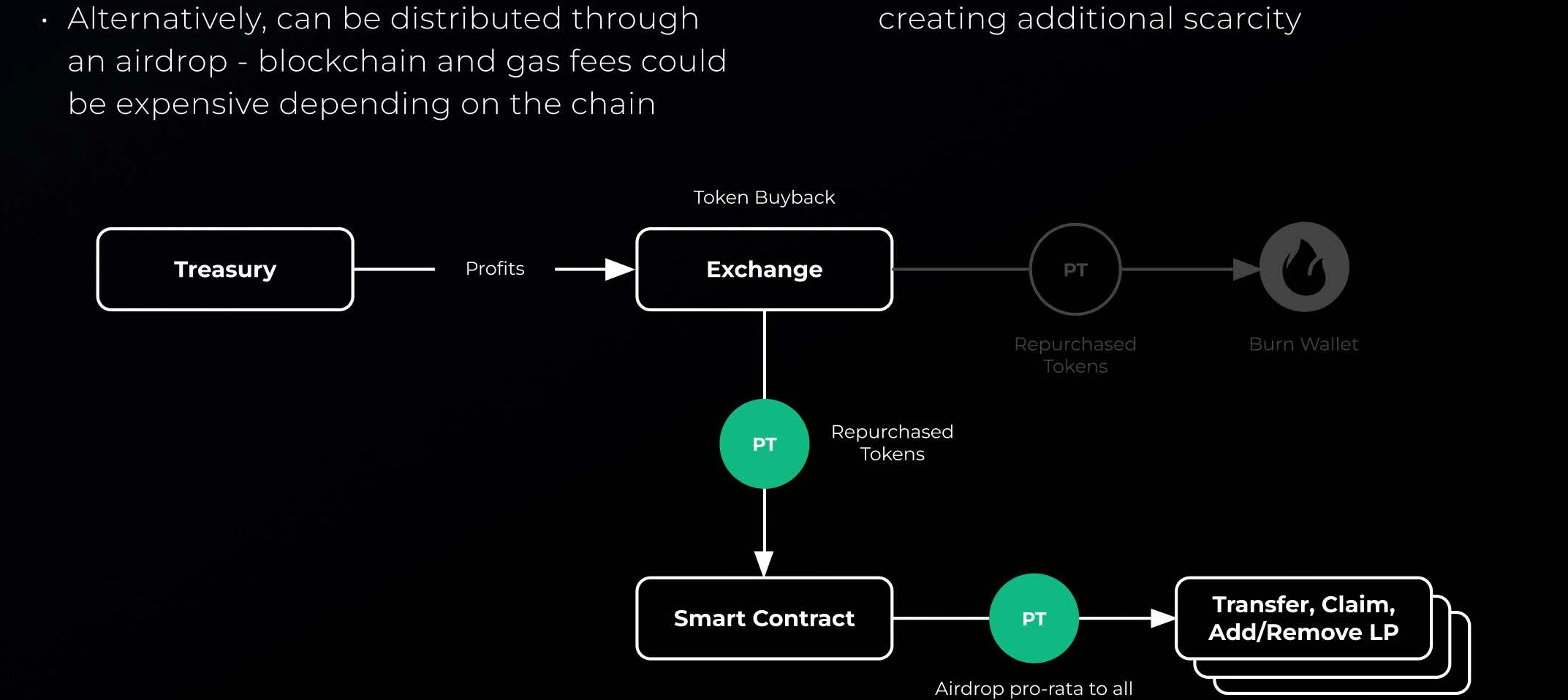
Dividend Model – profits are used to repurchase tokens in the open market. These tokens are then distributed on a pro-rata basis to current token holders based on a snapshot event.
- However, this can be costly - requires building a claim tool and dashboard
- Need to communicate to all token holders that tokens are claimable
- Need everyone to participate to gain the value of the ecosystem
- Alternatively, can be distributed through an airdrop - blockchain and gas fees could be expensive depending on the chain
- Requires administrative and developer overhead to maintain
- Pros – better reward psychology, participants see actual tokens in their wallet or claim function tool
- Unclaimed tokens are not in circulation – creating additional scarcity
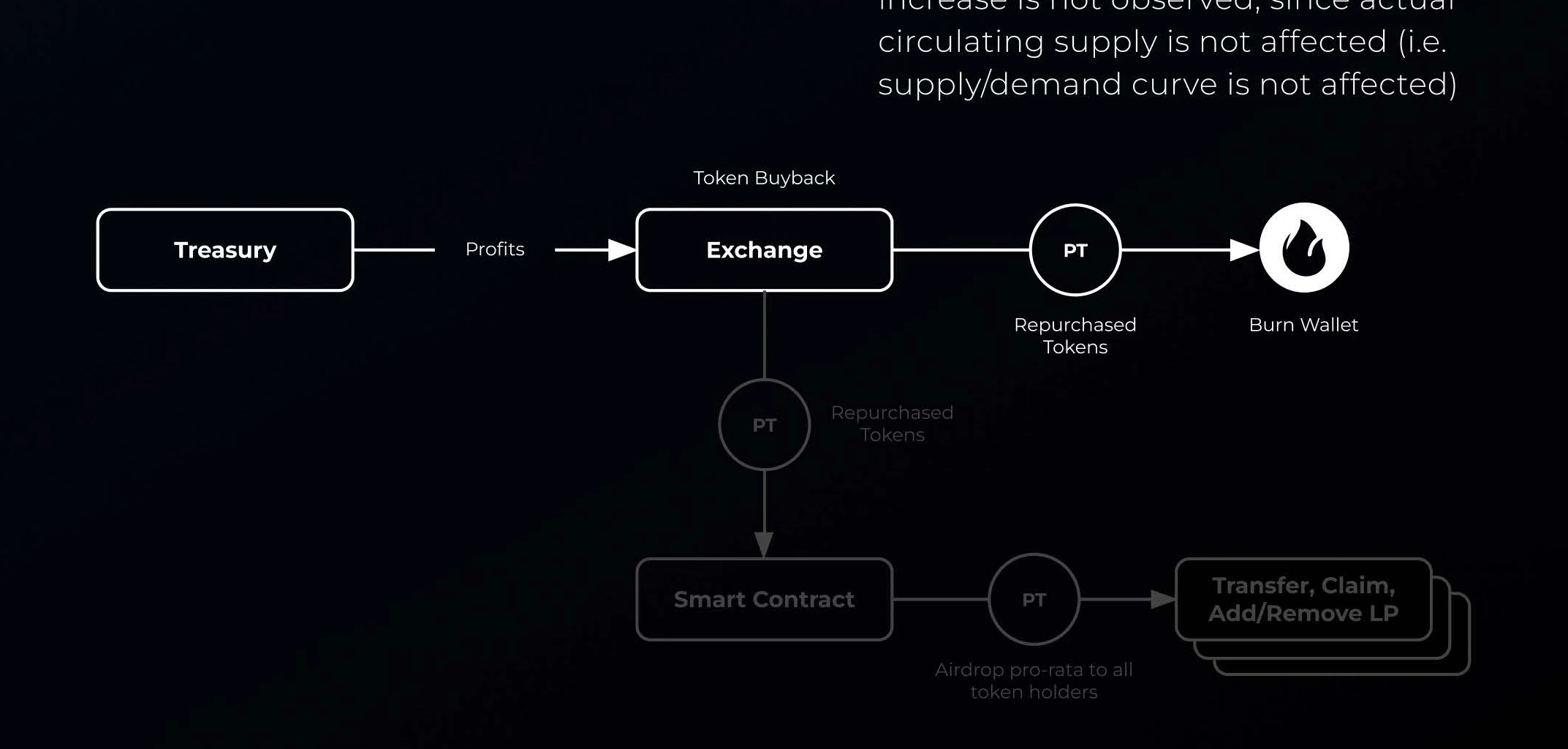
Token Burn – another option is to use profits to repurchase tokens in the open market, then implement a deflationary token burn against these repurchased tokens.
- Reduces total token supply
- Value of token ecosystem redistributes to fewer tokens, increasing value of each remaining token - all things equal
- Easy to implement, can be done at near zero cost
- Verifiable on-chain
- Requires market buyback of tokens – burning tokens that are not in circulation (i.e. in a treasury, reserve, or held in a wallet) may have similar long-term effect, but the short-term effect of market price increase is not observed, since actual circulating supply is not affected (i.e. supply/demand curve is not affected)
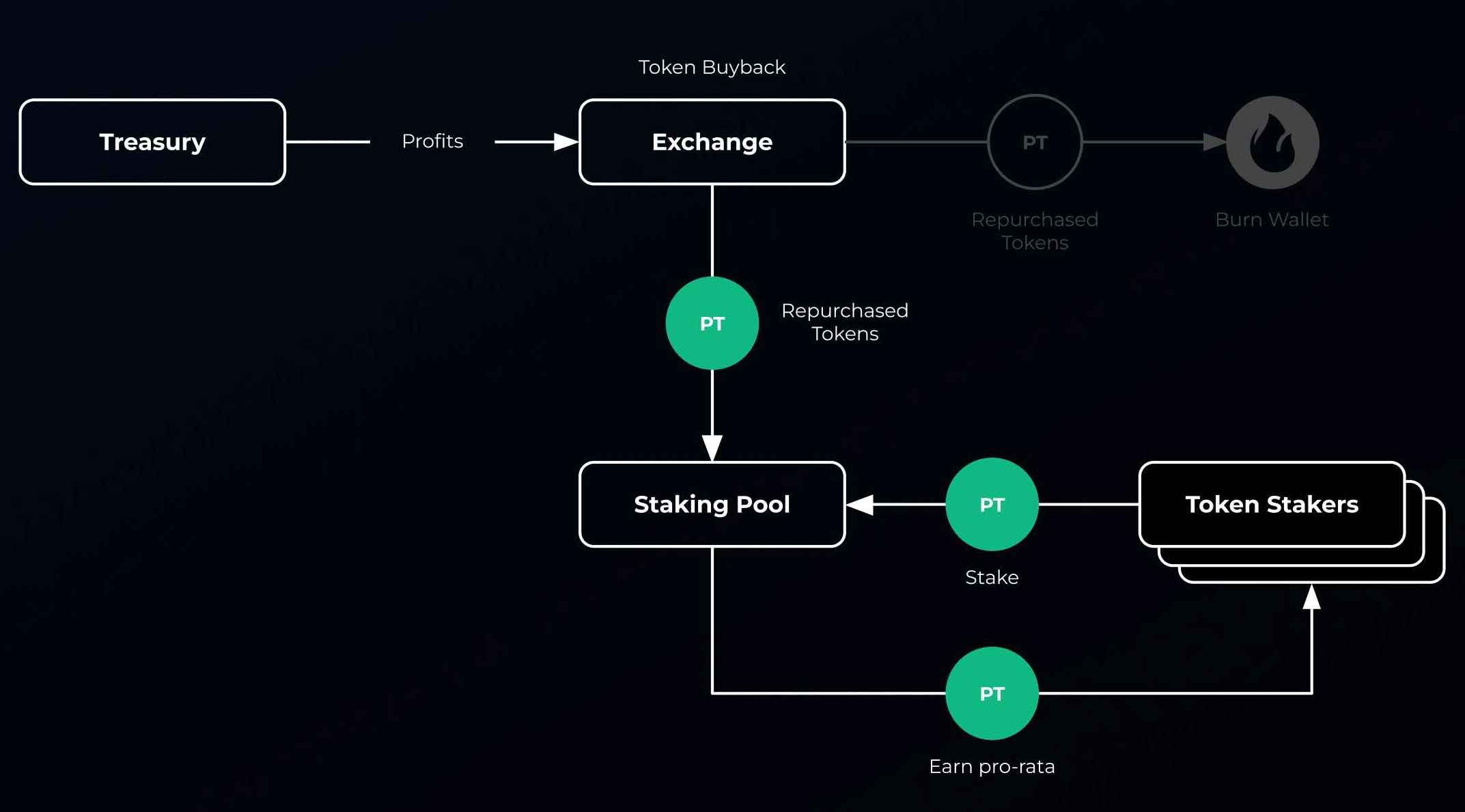
Staking Rewards – profits are used to repurchase tokens in the open market. These tokens are then distributed to stakers based on their pro-rata share in the staking pool.
- Requires participation in staking
- Favors larger stakers
- Require implementation of a staking feature
- Incentivizes temporary lockup of tokens
- Pro-rata rewards are likely to be higher due to participation requirement
Often Overlooked
Value accrual mechanisms are often the most overlooked feature of a token ecosystem. Many projects leverage token issuance for the exclusive purpose of tapping into the liquidity and capital of the cryptocurrency markets without much thought about how they can incentivize token buyers. Predictably, such projects successfully raise against their hard cap but often end up with token values that rapidly plummet shortly after launch, much to the detriment of their investors. Without an economic incentive to purchase tokens, the secondary market for buyers is nearly non-existent, while plenty of sellers race to unload their holdings.
Furthermore, without such a model, the profits generated by the platform may end up in the hands of founders, benefiting the few at the expense of the many. While founders should be rewarded for their work, and the platform itself should possess a healthy treasury to continue operations and growth, it should not be at the expense of a project’s token holders. Thus, a well-designed value accrual model should balance profits allocated towards price growth while leaving enough with the company for future roadmap development.
It is important to note that such a model may have implications from a regulatory standpoint so it is important to highlight that one should check with their local laws and regulations regarding appropriate implementation and distribution.